Canvas Float Frames: What They Are and How They Work
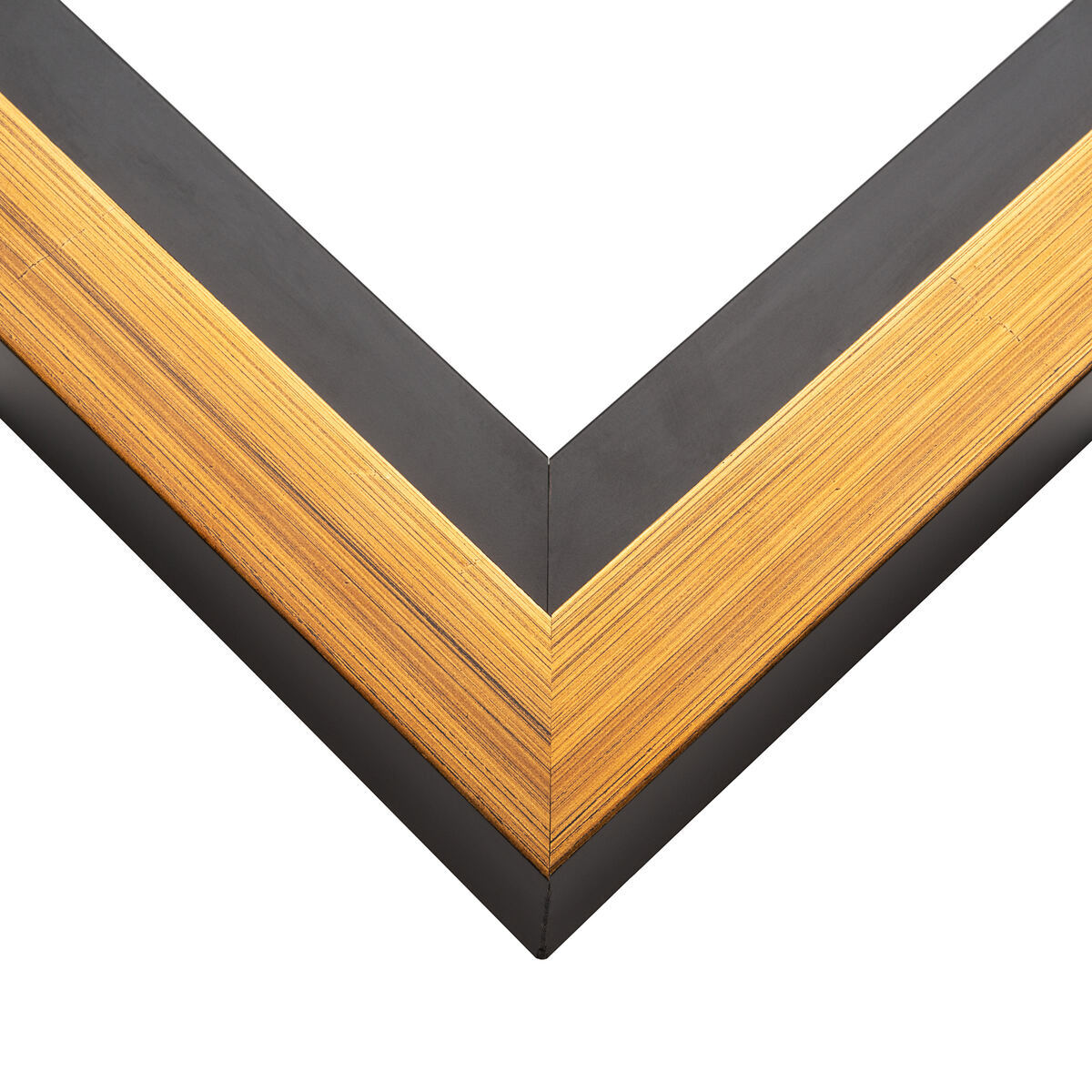
A canvas float frame is a wood frame that holds a stretched canvas with a small gap around all four edges, so the art looks like it floats inside the frame instead of sitting under it. The frame never covers the front of the canvas, so you see the full painting plus a thin shadow line, called the reveal gap, between the art and the frame.
What is a canvas float frame?
A canvas float frame is a frame built for stretched canvas that leaves a small open gap around the edge of the art. The canvas sits inside the frame and is held from the back, so the frame and the canvas never touch on the front. The result is a clean shadow line all the way around, and the whole piece looks like it floats.
People search for this look in a few ways. Some type "floating frame canvas," some type "float frame," and some ask "what is a float frame" straight out. They all point to the same thing: a frame that surrounds a stretched canvas without hiding its edges. A traditional frame does the opposite. It sits over the canvas edge, the way a classic painting is framed.
This is the modern gallery look for canvas, and it reads as premium. We build every one to the size of the art in our shop in Somerset, New Jersey, on the same line that has cut custom frames since 2015. You can see the full canvas program on our framed canvas prints page.
How does the canvas "float"?
The float effect comes from how the canvas is mounted. First we print your art on canvas and stretch it by hand over kiln-dried wood bars. That gives you a firm, ready-to-hang stretched canvas with clean corners.
Then that whole stretched canvas drops into the float frame from the back and screws onto a lip inside it. The frame is built a little deeper than the canvas, so the canvas sits slightly forward. Because it is held from behind and not pressed against the front, a small even gap stays open on all four sides. That gap is the reveal.
The reveal gap is usually about one eighth to one quarter of an inch wide. It is enough to catch a soft shadow and set the art apart from the frame, but not so wide that the piece looks loose. Since the canvas mounts from the back, the gap lines up evenly, and the edge of the canvas stays in view.
Float frame vs traditional canvas frame vs gallery wrap
All three start with the same hand-stretched canvas. The frame is where the look, the edge treatment, and the price change. Here is how they line up side by side.
| Format | The look | Edge treatment | Glass or acrylic | Price ballpark | Best for |
|---|---|---|---|---|---|
| Canvas float frame | Art floats inside the frame with a thin gap around it. Modern and clean. | Frame stays off the canvas edge. The full edge and a shadow line stay in view. | None. Canvas ships open with no glass. | Top price. Best margin on canvas. | Sellers who want the gallery look and the highest price point. |
| Traditional canvas frame | Frame sits over the canvas edge, like a classic framed painting. | Moulding overlaps the outer edge of the canvas and hides it. | None. Canvas ships open with no glass. | Premium price. Strong margin. | Formal art and buyers who want a solid border around the piece. |
| Gallery wrap, no frame | Stretched canvas with painted or wrapped edges. No frame at all. | The image or a solid color wraps around the sides of the wood bars. | None. Canvas ships open with no glass. | Entry price. Upsells into the framed versions. | Your traffic listing and the entry price that pulls buyers in. |
Notice that none of the three uses glass or acrylic. Canvas is meant to be seen open, the way a painting is, so nothing covers the surface. That is also why canvas is the safest thing we ship. There is no glass to break. You can compare the mouldings behind each option on our materials page.
What art looks best in a float frame?
Float frames suit art that earns its own edges. Because the frame does not cover any of the canvas, the whole image and its border stay in view, so bold and full-bleed art shines. Think landscape photography, modern abstract work, big color fields, and painterly pieces where the edge of the art is part of the story.
They also work well for series art, where several canvases hang together. A matching float frame across the set gives each piece the same clean shadow line, so the group reads as one collection. And since the canvas is hand-stretched, the corners stay tight even on larger sizes.
If the art has a soft or delicate edge that you would rather cover, a traditional frame may serve it better. That is the one case where sitting over the canvas edge helps instead of hurts.
Do float frames come in custom sizes?
Yes, and this is where a float frame really earns its keep. We build the frame to the canvas, not the canvas to a stock frame. That runs from 4 by 4 inches up to a width plus height of 72 inches combined, so 32 by 40 is the common maximum. Fractional sizes are fine, like 18.5 by 24.75.
There is no custom-size surcharge. Pricing scales with the perimeter of the frame, meaning the total inches of moulding, not a stock-size category. So an odd size costs about the same as the nearest round size. If you sell photography or original art at real dimensions, this is the difference between framing that fits and framing that crops. Our post on made-to-order picture frames vs stock sizes digs into why custom sizing does not actually cost more to make.
For sellers, the size flexibility is the whole point of print on demand framing. You upload art once, list it at its true size, and your customer orders from your store. We stretch, float-frame, and ship each order in 3 to 5 business days, with tracking written back to your store under your brand. You never touch a saw or hold any inventory.
A canvas float frame surrounds stretched canvas with a small reveal gap, so the art floats and the edges show. It uses no glass, comes in any custom size at no surcharge, and carries the top price point on canvas.
How to choose the float frame color
Match the frame to the mood of the art, not to your wall. The frame is a border for the piece, so it should agree with the colors and feel of the image first. Here is a simple way to narrow it down.
- Black or dark gray float suits bold photography, high-contrast images, and modern art. It frames the art like a window and stays out of the way.
- Natural or light wood float suits soft, warm, or nature scenes. It feels calm and casual, and it pairs well with lighter rooms.
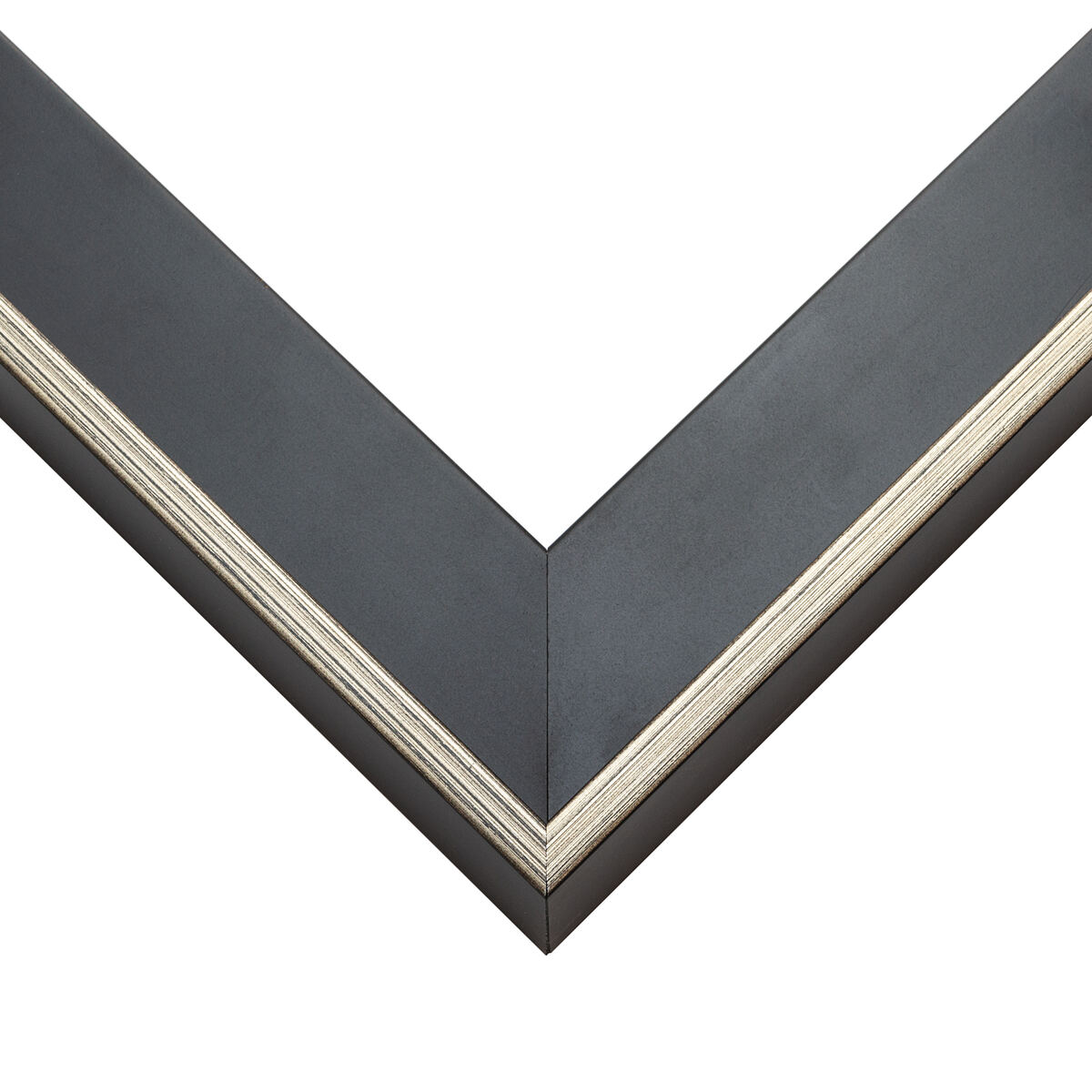
- Metallic reveal edges in gold, silver, or copper add a lift for fine-art prints and gallery pieces. The bright inner line draws the eye to the reveal gap.
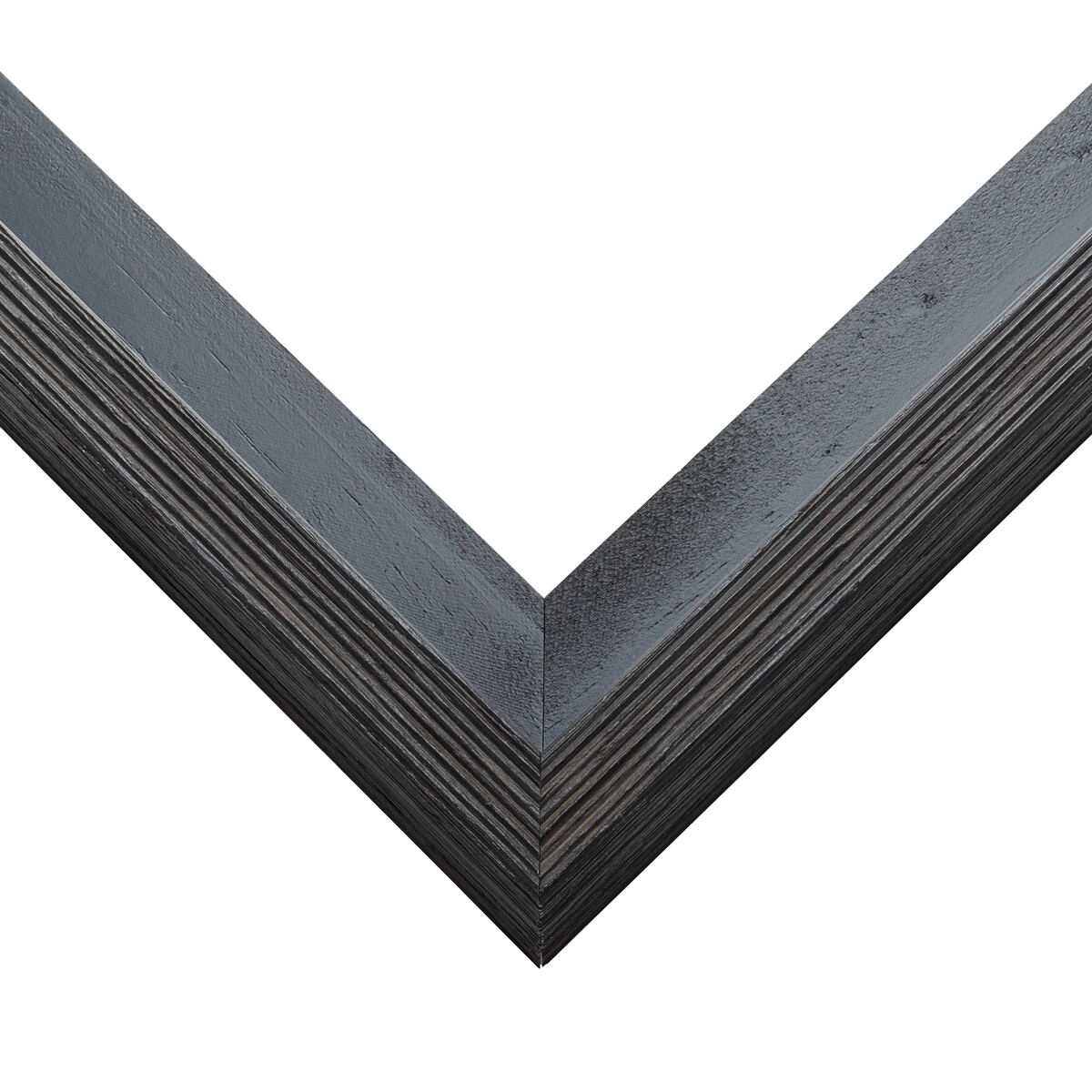
- Weathered or barnwood float suits rustic, coastal, and farmhouse art, and gives the piece a handmade feel.
When you cannot decide, order a sample first. A real corner chip in your hand beats guessing from a screen. You can request one on our samples page before you list a single product.
Canvas float frame FAQ
What is a float frame?
A float frame is a wood frame that holds a stretched canvas with a small gap around all four edges, so the art looks like it floats inside the frame instead of sitting under it. The frame does not cover any part of the canvas. You see the full painting plus a thin shadow line, called the reveal gap, between the canvas and the frame.
How is a canvas float frame different from a traditional frame?
A float frame leaves a small gap around the canvas and never touches the front of the art, so the edges stay visible. A traditional frame sits over the outer edge of the canvas, like a classic framed painting, and hides that edge. Both start with the same hand-stretched canvas. Only the look and the price change.
Is a floating frame the same as a float frame?
Yes. Floating frame canvas and canvas float frame mean the same thing. Some sellers write it as a floater frame. All three describe a frame built for stretched canvas that leaves a reveal gap so the art appears to float.
Does a canvas float frame have glass?
No. Canvas ships with no glass or acrylic over it, so the surface stays open the way a painting does. That also means there is nothing to shatter in transit. Fewer than 3 in 1,000 of our framed orders arrive damaged, a rate under 0.3 percent.
How big is the gap around the canvas?
The reveal gap is small, usually around one eighth to one quarter of an inch. It is wide enough to read as a clean shadow line but narrow enough that the frame still feels like part of the piece. The canvas is mounted from the back so the gap stays even on all four sides.
Do canvas float frames come in custom sizes?
Yes. We build the float frame to the canvas, from 4 by 4 inches up to a width plus height of 72 inches combined, so 32 by 40 is the common maximum. Fractional sizes are fine. There is no custom-size surcharge, because pricing scales with the frame perimeter, not a stock-size category.
What color float frame should I choose?
Match the frame to the mood of the art, not to the wall. Black and dark gray float frames suit bold photography and modern art. Natural and light wood suits soft or warm scenes. Gold, silver, and copper reveal edges add a lift for fine-art pieces. When in doubt, order a sample first.
Add canvas float frames to your store
Hand-stretched canvas, float or traditional, in any custom size. Free to install, charged when we ship.
Get early access